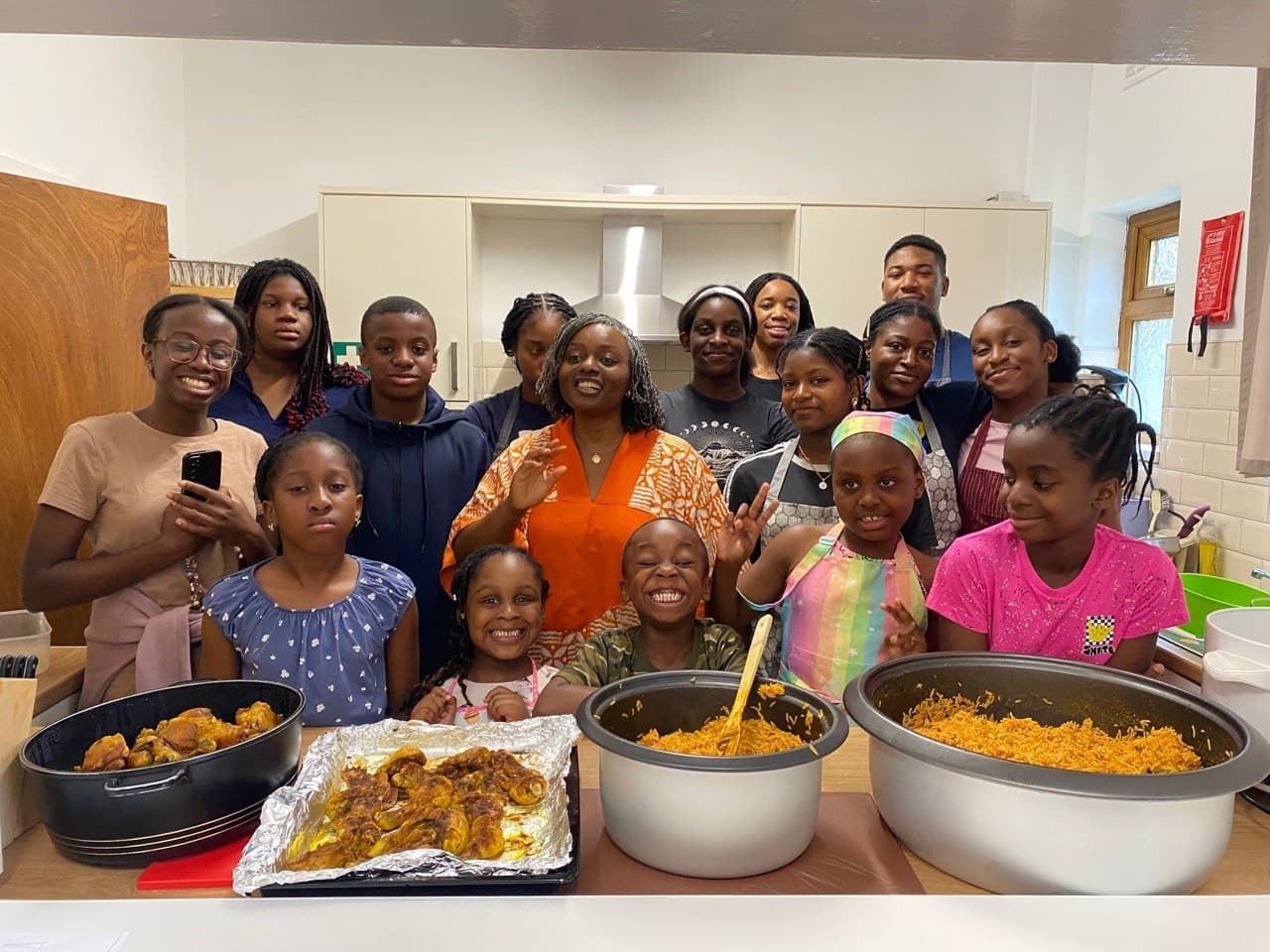
Cultural Cuisine Workshops
Food is one of the most powerful expressions of culture — it carries history, tradition, and love in every dish. At Ndi Igbo Na Tees Valley, our Cultural Cuisine Workshops are designed to ensure that the rich culinary heritage of the Igbo people continues to thrive in the diaspora.
From learning the authentic preparation of fufu and ofe to understanding the cultural significance behind every ingredient, these workshops transform cooking from a daily task into a profound act of cultural preservation. They bring together people of all ages, creating communal spaces where stories are shared, bonds are formed, and Igbo identity is celebrated through the universal language of food.

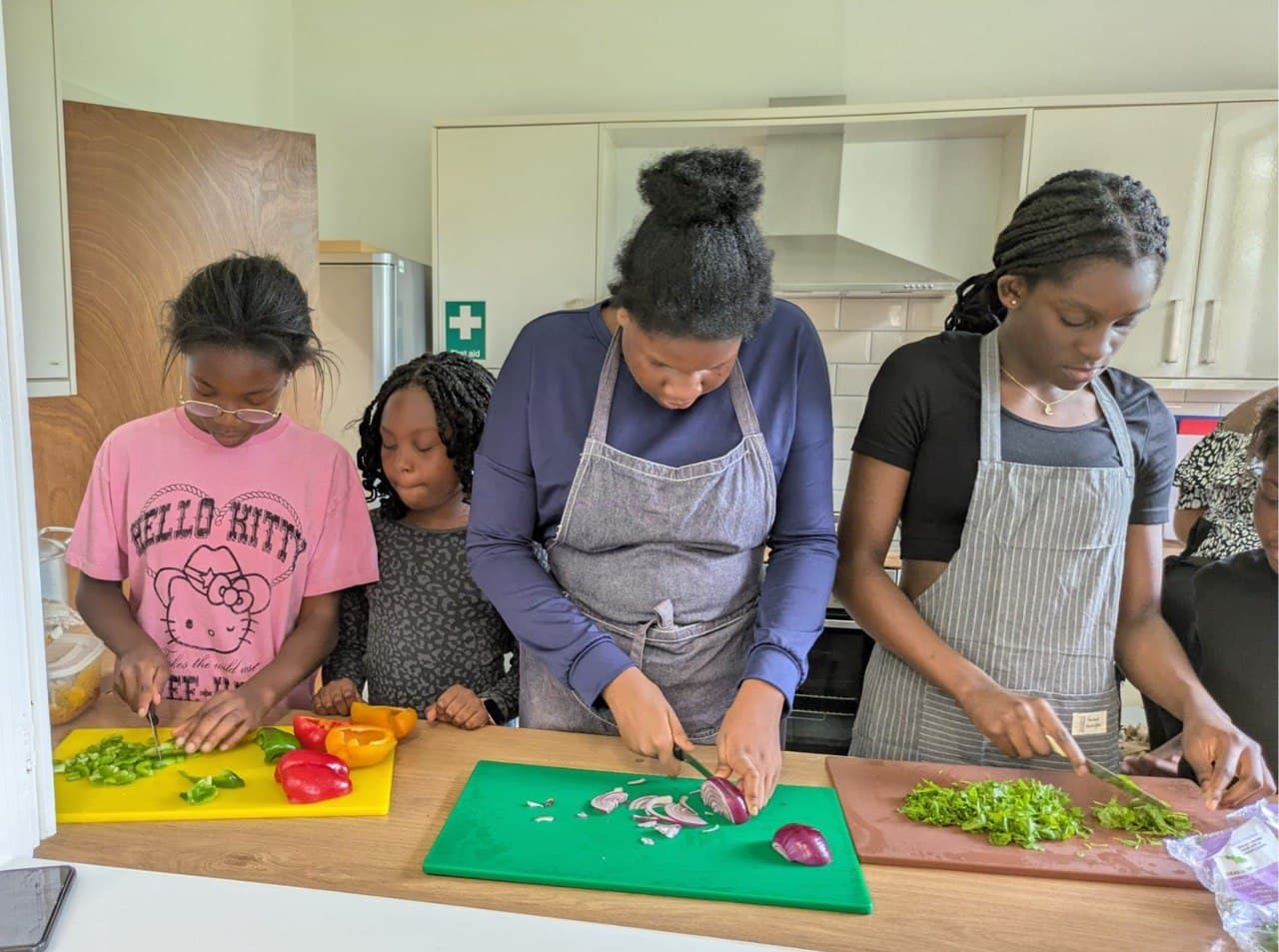
The Significance
Why cooking classes matter to Ndi Igbo Na Tees Valley
Preserving Igbo Culinary Heritage
Traditional Igbo dishes like fufu, ofe, abacha, and ukpaka are rich in history and technique. Cooking classes help younger generations and diaspora members learn how to prepare these meals authentically, ensuring the legacy of Igbo cuisine lives on.
Strengthening Community Bonds
These classes create a space for members to gather, share stories, and build relationships. Food preparation in Igbo culture is often communal — classes mirror this by fostering unity and collaboration.
Cultural Education & Identity
For those born or raised outside Nigeria, cooking classes offer a tangible way to reconnect with their roots. They reinforce a sense of pride and belonging, especially among youth navigating dual cultural identities.
Language & Tradition Integration
Classes often incorporate Igbo language and traditional practices, turning cooking into a holistic cultural experience. Participants learn not just how to cook, but why certain ingredients and methods matter in Igbo tradition.
Celebrating Igbo Festivities
Many dishes are tied to festivals, rites of passage, and ceremonies. Cooking classes often align with these events, helping members prepare and understand their cultural significance.
“Cooking is more than preparing food — it is an act of cultural preservation, a communal ritual, and a bridge between generations. Through these workshops, we ensure that the flavours of home are never lost, no matter where life takes us.”
Ndi Igbo Na Tees Valley