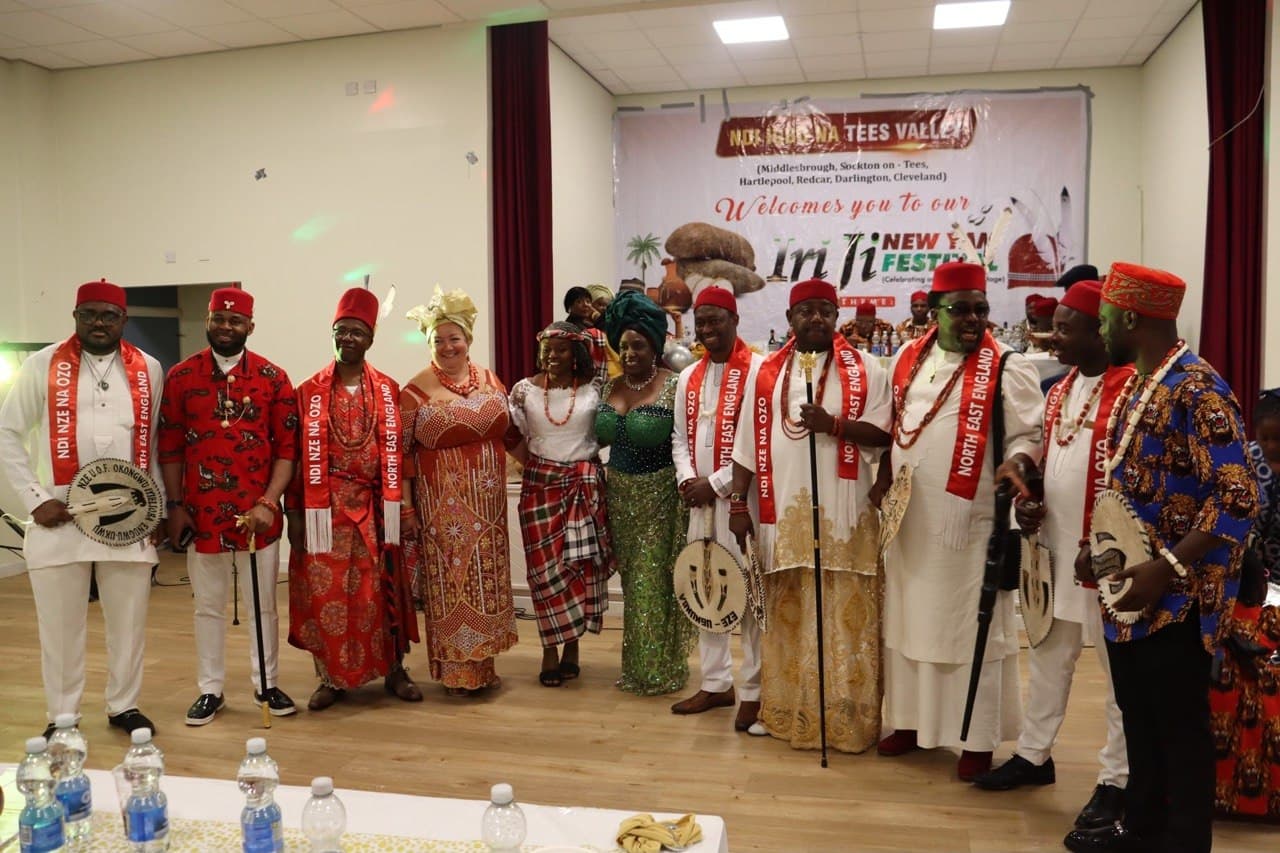
New Yam Festival 2025
Iwa Ji — The Sacred Harvest Celebration
The Iwa Ji — New Yam Festival — is one of the most sacred and joyous celebrations in Igbo culture. It marks the end of the farming season and the beginning of a new harvest cycle, a time when communities gather to give thanks, break bread, and honour the land that sustains them. For Ndi Igbo, the yam is not merely a crop; it is a symbol of life, prosperity, and cultural identity.
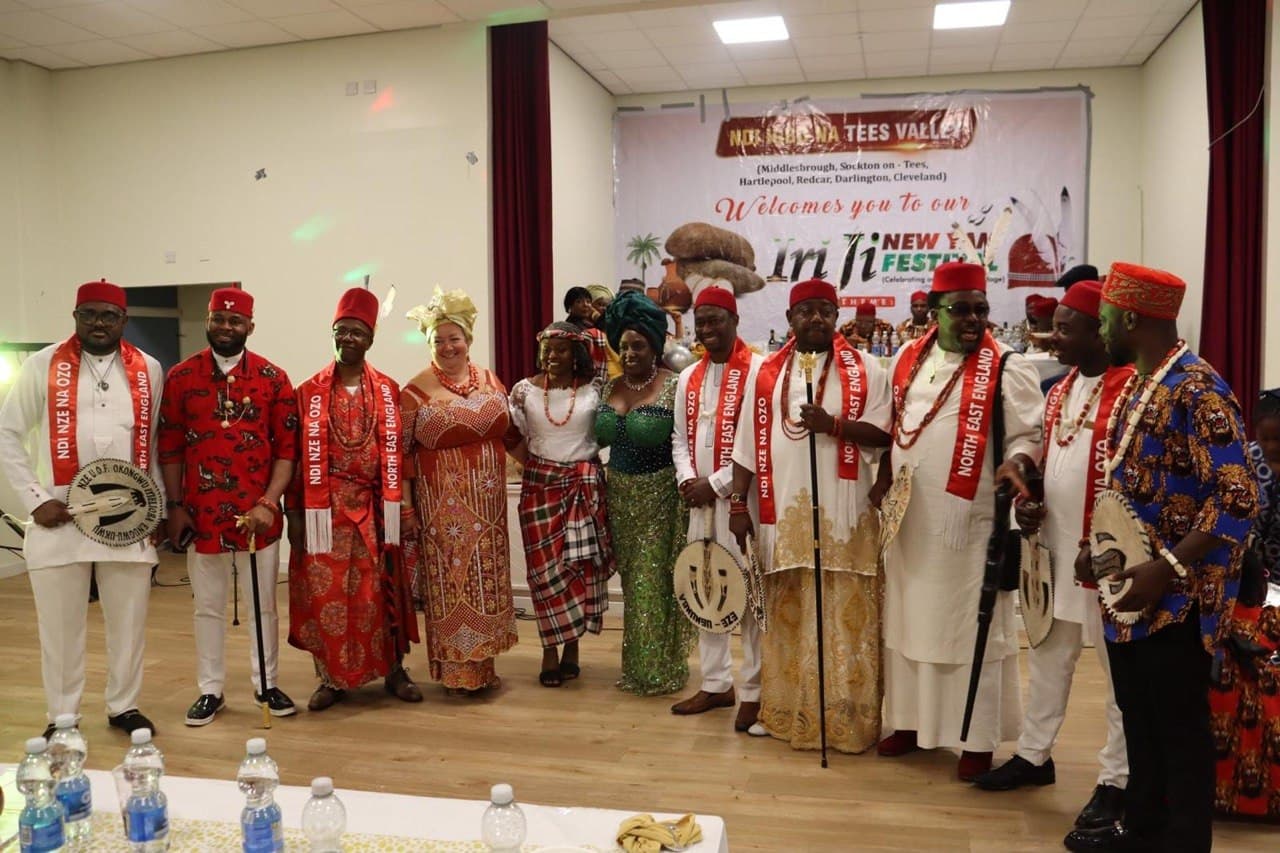
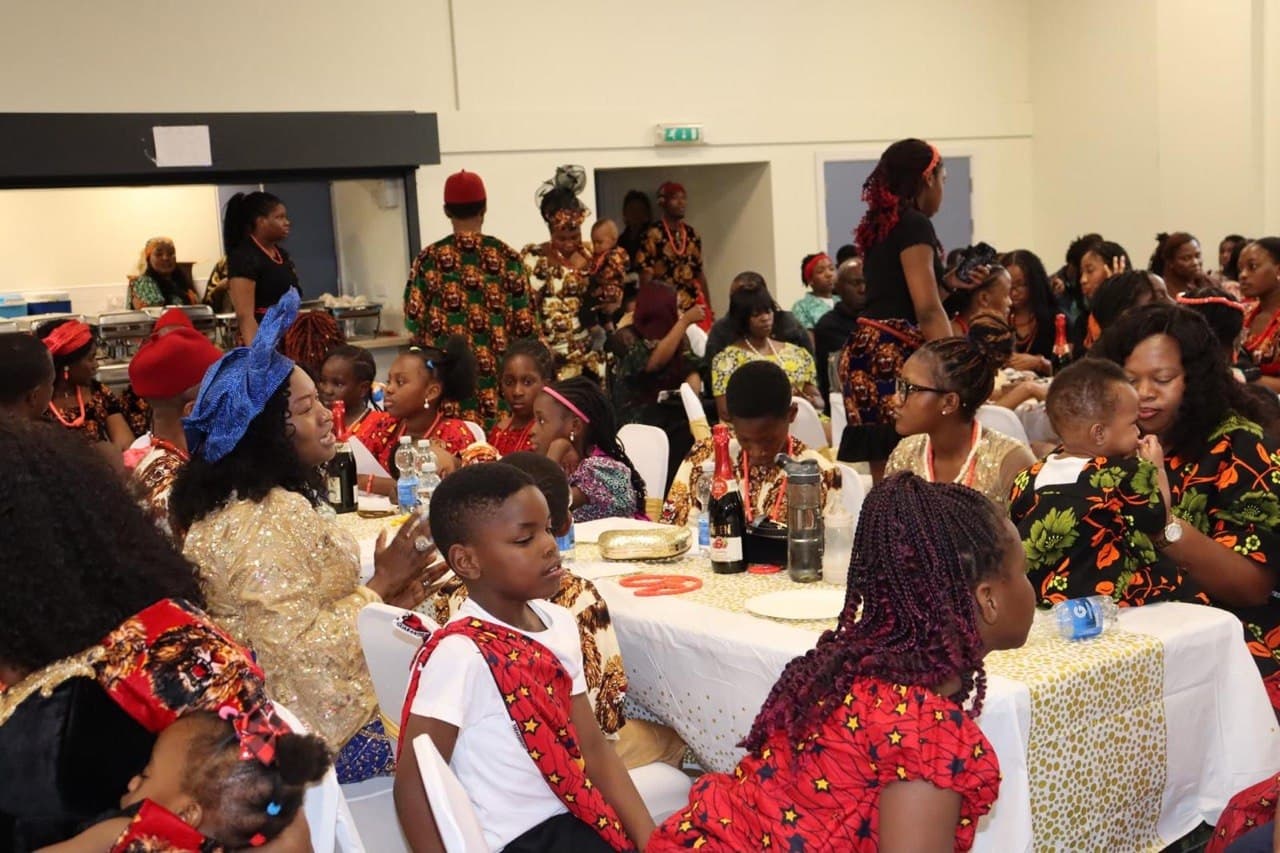
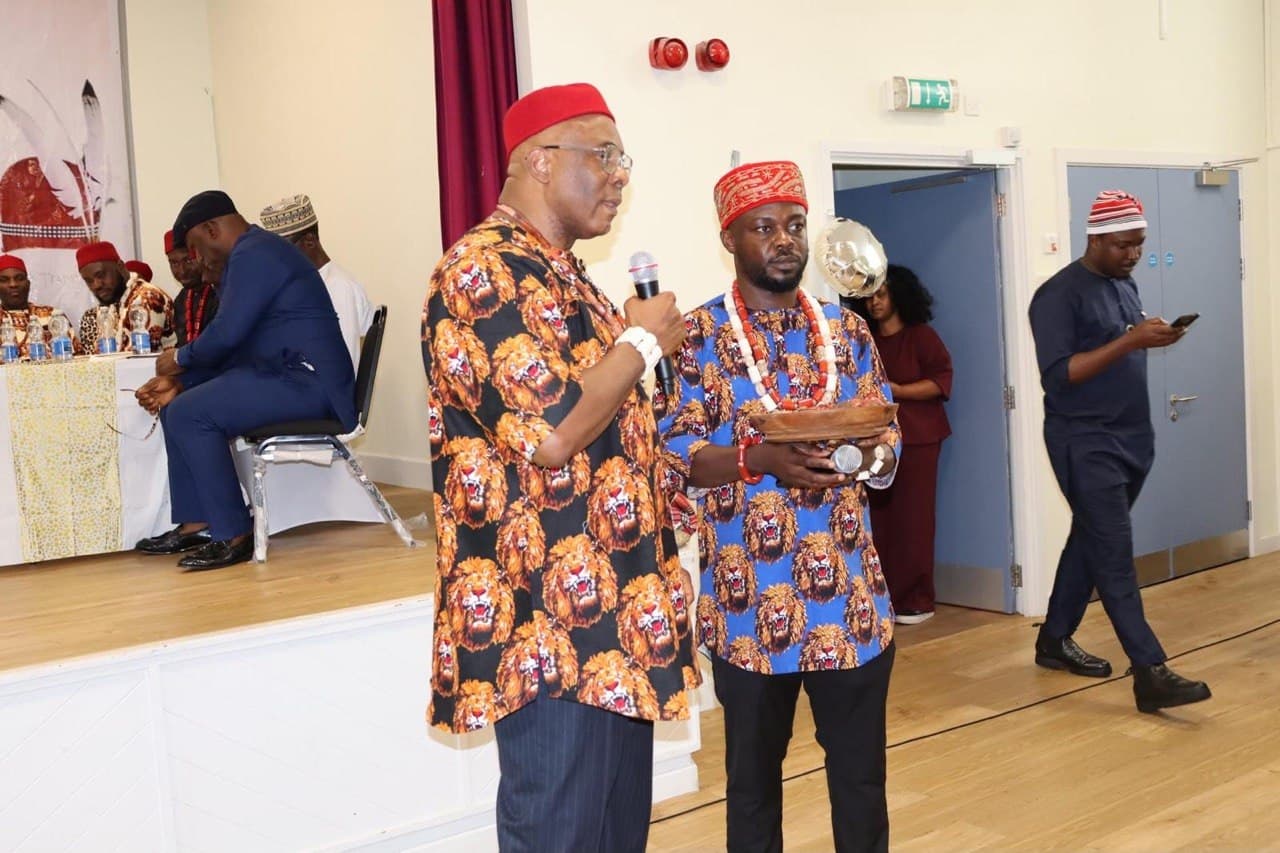
In 2025, Ndi Igbo Na Tees Valley brought this ancient tradition to life here in the United Kingdom. Members dressed in their finest traditional attire, shared specially prepared yam dishes, and participated in cultural performances that transported everyone back to the warmth of home. The festival served as a powerful reminder that no matter where we find ourselves in the world, our roots remain deep, our traditions remain alive, and our community remains strong.
For our children growing up in the diaspora, events like Iwa Ji are invaluable. They provide a lived experience of culture that no textbook can offer — the taste of roasted yam, the sound of traditional music, the sight of elders performing the rites — these are the memories that shape identity and forge an unbreakable connection to heritage.
Why Iwa Ji Matters
Honouring Our Ancestors
The New Yam Festival is a time to pay respect to those who came before us — the fathers and mothers of the land whose labour and wisdom made the harvest possible. It is a spiritual act of gratitude that connects the living to the lineage that bore them.
Celebrating the Harvest
Yam is the king of crops in Igbo land. The Iwa Ji ceremony marks the official opening of the new yam harvest, a moment of agricultural triumph and communal pride. No new yam is eaten before this sacred rite is performed.
Thanksgiving & Gratitude
At its core, Iwa Ji is an act of thanksgiving to Chukwu (God) and the earth deities for a successful farming season. It reminds us that every good thing comes from above and that humility before the source of provision is the beginning of wisdom.
Community Unity
The festival brings the entire community together — chiefs, elders, women, youth, and children. It is a shared experience that reinforces social bonds, resolves differences, and renews the collective spirit of Ndi Igbo.
Cultural Continuity
By celebrating Iwa Ji here in the UK, we ensure that this ancient tradition does not fade with distance or time. Our children see it, taste it, and live it — and in doing so, they carry Igbo identity forward into the future.
Festival Moments
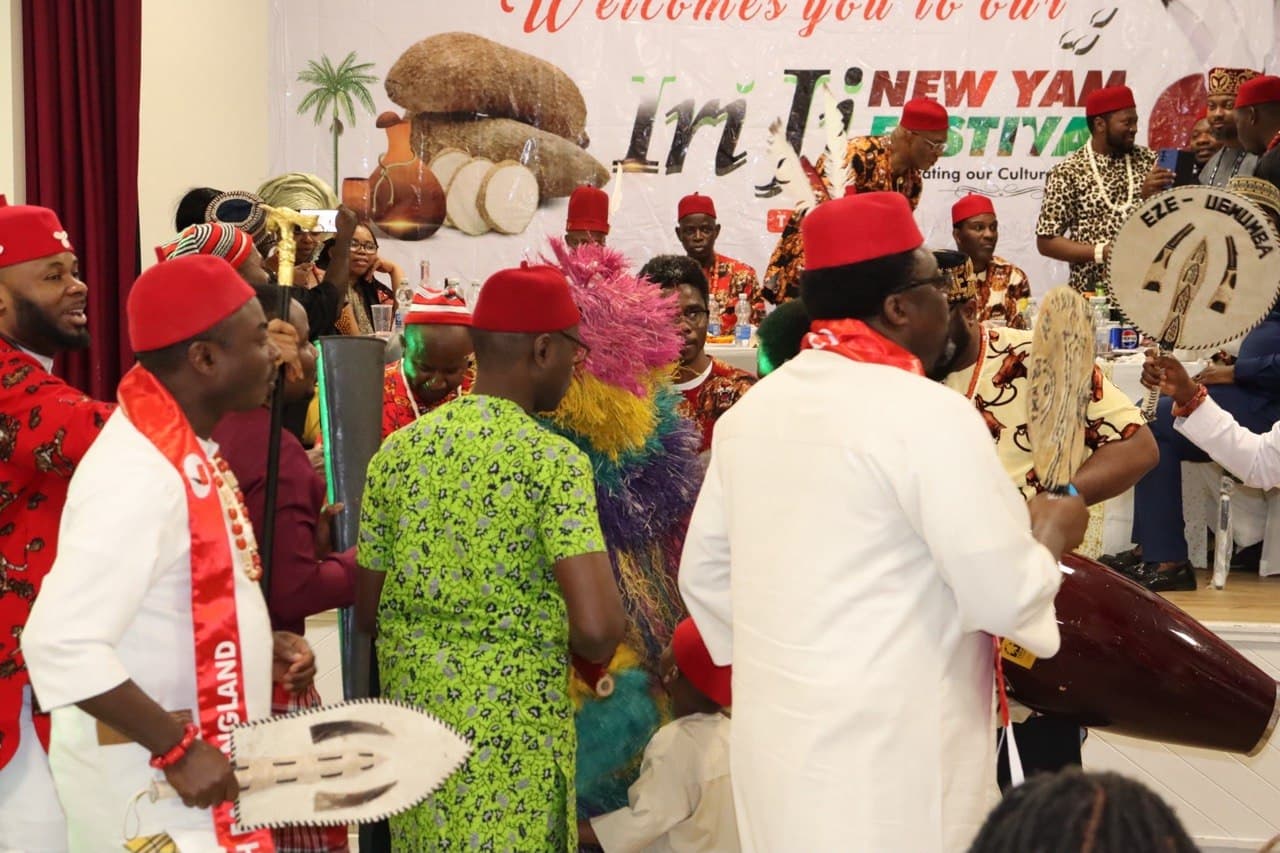
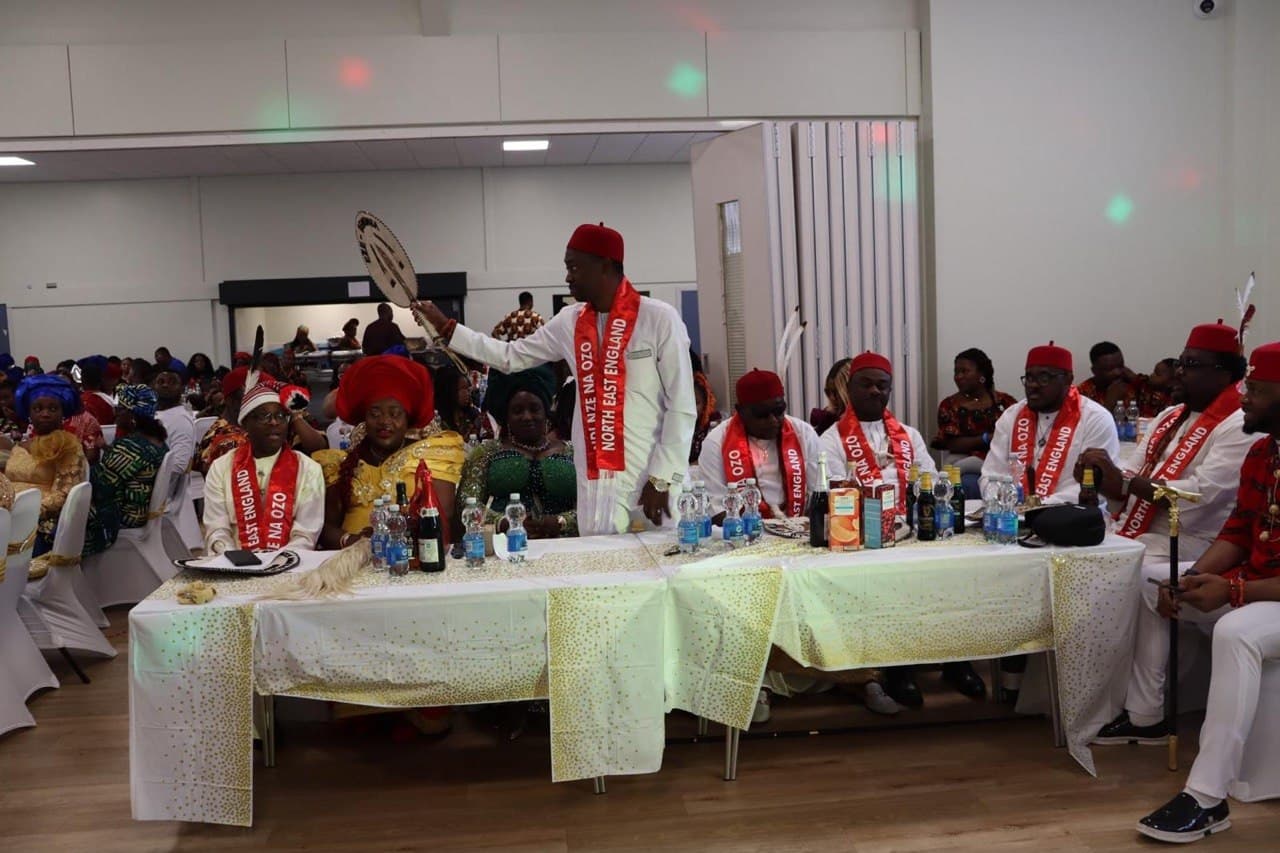
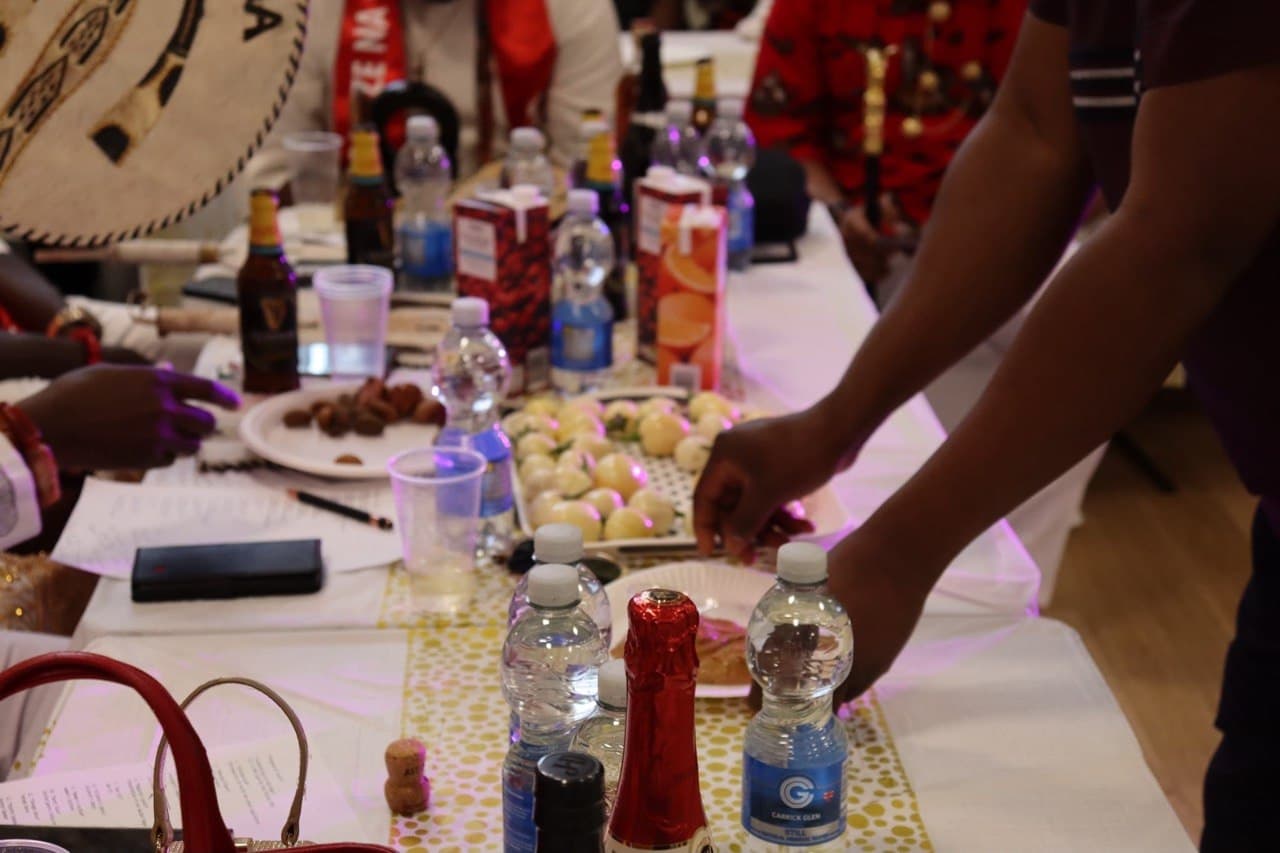
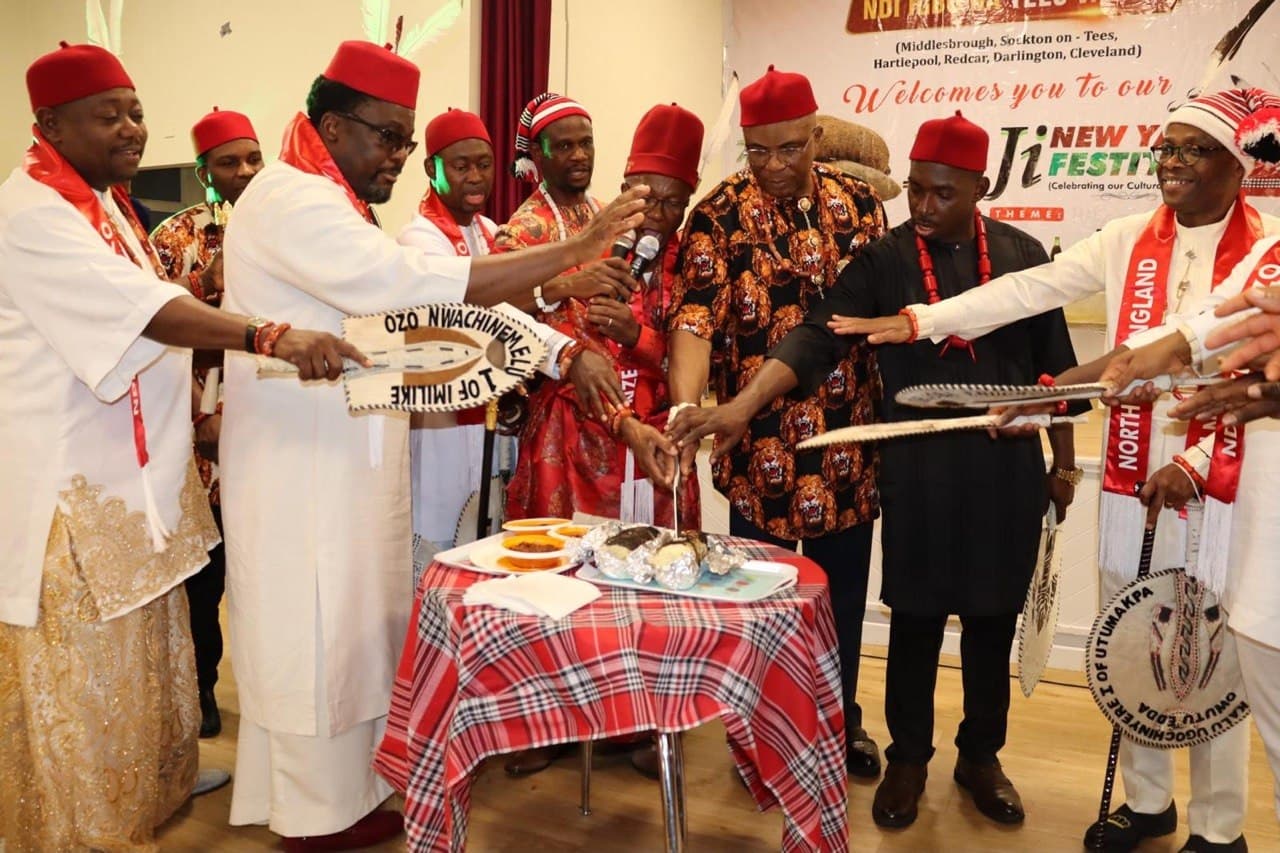
“As long as we break yam together, as long as we give thanks together, our culture will never die — no matter how far from home we may be.”
Ndi Igbo Na Tees Valley